
Website Word Counter Tool Online
Last updated:
Count words on a webpage URL or in pasted text with language-aware boundaries, clear HTML extraction scope, heading details, and English-only readability.
Choose English to calculate Flesch readability. Auto uses a page's declared language; pasted text remains unspecified.
Found issues? That’s exactly what our SEO audit fixes.
Our SEO Audit + Essentials package ($555, one-time) finds and fixes exactly these kinds of problems, with a prioritized plan in plain English.
Looks clean here. How is the rest of your SEO?
One passing check doesn’t make a ranking strategy. We audit the full picture: content, technical SEO, internal links, and search intent.
Want us to act on this result? Fix these findings →
Prefer the partnership route? Refer clients to us, earn 10% →
How the Word Counter Works
Use the page word counter for a public URL, or analyze pasted text without sending that text to our server:
- Enter a URL or paste text, URL mode analyzes the server-returned HTML source; text mode stays in your browser.
- Review the scope, the analyzed main/body count is separated from the raw body and from title, meta description, headings, link text, and image alt text.
- Count language-aware boundaries,
Intl.Segmenterhandles Unicode scripts and text without spaces where supported, with a Unicode fallback. - Use readability only for English, Flesch scores are hidden for other or unknown languages instead of presenting a misleading number.
- Reading time, estimated reading time (238 wpm) and speaking time (150 wpm) for content planning.
- Inspect frequent terms, frequency and share help spot repetition; neither is a recommended keyword-density target.
Why Word Count Matters for SEO
Word count is a diagnostic, not a ranking target. Use it to compare coverage and editing effort while keeping search intent and usefulness in control:
- Coverage review, a very short page may omit important questions, but adding words without adding useful information does not improve it.
- Competitive benchmarking, compare pages that satisfy the same intent, then inspect what useful topics and evidence they cover rather than matching an average length.
- Readability review, for English copy, use Flesch as one editing clue and validate the page with real readers. The formula cannot measure accuracy, usefulness, or accessibility.
- AI search and GEO, clear structure, direct answers, evidence and publisher authority matter more than raw length. Word count cannot predict an AI citation.
- Translation cost estimation, for multilingual sites, knowing exact word counts helps estimate translation costs accurately.
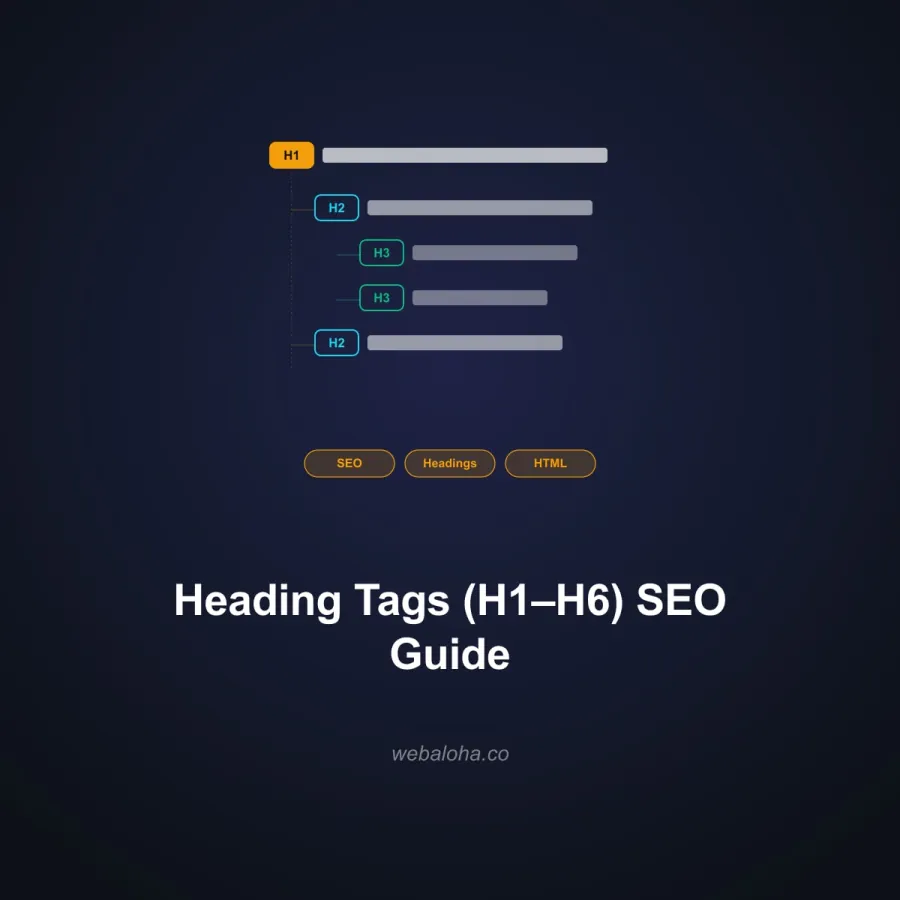
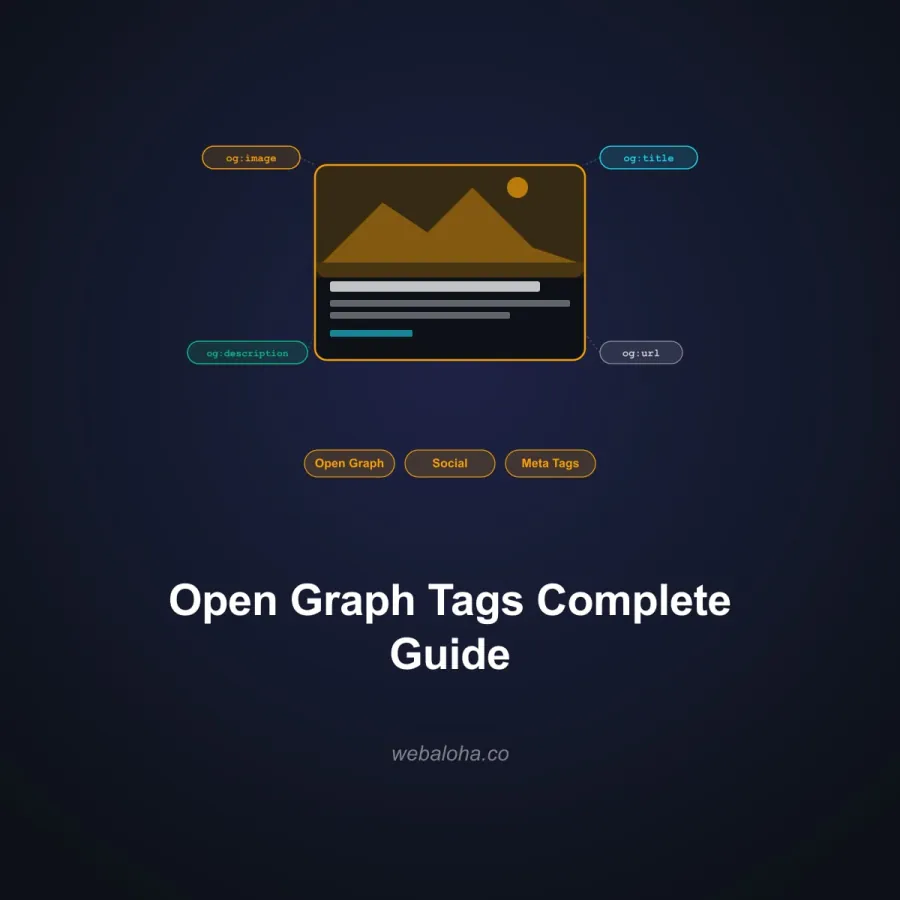
For complete content analysis, pair this with the Keyword Extractor, Heading Checker, and Meta Tag Checker. To compare two pages or texts for duplicate or near-duplicate content, the Duplicate Content Checker provides side-by-side similarity and matching-passage evidence. For a broader SEO snapshot, the SERP Preview Simulator shows how your title and description may appear in search results.
How to Use a Page Word Count
There is no generally correct word count for a blog post, product page, service page, landing page, homepage, or about page. Use the result to answer specific editorial questions:
- Scope a revision, compare the current draft with the brief and identify missing decisions, evidence, examples, or answers.
- Estimate work, use counts as inputs for translation, narration, editing, or content-migration planning.
- Compare like with like, check pages serving the same audience and intent, then evaluate their useful coverage rather than copying their length.
- Audit templates, the raw-versus-analyzed difference can reveal how much repeated navigation or footer copy surrounds the primary page content.
Need help optimizing your content? Check out our SEO services.
Next steps
Website Word Counter related tools and articles
Continue with the closest follow-up checks and guides based on this tool's topic, crawl intent, and optimization workflow.
Word Counter: FAQ
What is the difference between URL mode and Text mode?
Which page content is counted in URL mode?
How are words, sentences, and paragraphs counted?
How are reading and speaking times calculated?
How should I interpret the readability scores?
How are frequent terms selected?
Why can the count differ from another tool or an editor?
Is my URL or pasted text stored?
Free 48-Hour Website Audit
Not sure what to fix first on your own website? We'll review it and tell you, in plain English. Free & non-obligatory.
Need Help Optimizing Your Content?
We help businesses plan useful, search-informed content with clear structure, credible evidence and purposeful conversion paths.