Most businesses treat SEO as a solo endeavor: pick keywords, write content, build links, and wait. The problem is that search results are a zero-sum competition. Every position you win is one a competitor loses. If you are not studying what they are doing, you are essentially competing blindfolded.
SEO competitor analysis turns that around. It gives you a map of what is working in your niche right now, where the gaps are, and exactly where to focus your energy for the fastest gains.
This guide walks you through a complete, systematic framework for analyzing competitors, finding opportunities, and building an action plan that moves the needle.
What SEO Competitor Analysis Actually Is
SEO competitor analysis is the practice of researching the websites that rank above you for your target keywords. You study their content strategy, keyword footprint, backlink profile, and technical setup to understand why they rank, then build a plan to outperform them.
It is different from general market research. You are not studying what competitors sell or how they price products. You are studying what Google thinks of them and why.
Done properly, competitor analysis answers four critical questions:
- Which keywords are they ranking for that I am missing?
- What content formats and topics are earning them traffic?
- Which websites are linking to them that I have not earned links from yet?
- What technical advantages do they have over my site?
Identify Your Real SEO Competitors First
Your business competitors and your SEO competitors often overlap, but they are not the same thing. Your SEO competitors are simply the domains that consistently appear in the top 10 results for your target keywords.
A large media publication, an industry wiki, or an affiliate review site could be your fiercest SEO competitor without selling anything you sell.
How to Find Your SEO Competitors
Manual method: Search your five most important keywords in Google. Note the domains that appear most often across those searches. The sites appearing in three or more of your searches are your primary SEO competitors.
Tool method: In Ahrefs, open Site Explorer, enter your domain, then click “Organic Competitors.” In Semrush, this is called “Organic Research” then “Competitors.” Both tools calculate keyword overlap and surface your top rivals automatically.
Aim to identify three to five primary competitors for your initial analysis. More than five becomes unwieldy for a first pass.
A Quick Competitor Shortlisting Framework
| Competitor | Keyword Overlap | Domain Authority | Est. Organic Traffic | Priority |
|---|---|---|---|---|
| competitor-a.com | High (60%+) | 45 | 12,000/mo | Watch closely |
| competitor-b.com | Medium (30-60%) | 38 | 7,500/mo | Monitor |
| competitor-c.com | Low (under 30%) | 28 | 3,200/mo | Easy wins |
Fill this in for each competitor you identify. The ones with high keyword overlap and slightly lower domain authority than yours are your fastest-win targets.
Step 1: Keyword Gap Analysis
Keyword gap analysis is often the highest-ROI part of competitor research. It surfaces keywords your competitors rank for, that drive real traffic, that you are not targeting yet.
Each gap is a specific, proven opportunity. These are not hypothetical keywords. Competitors ranking on page one for them confirms there is both search demand and room to win the traffic.
How to Run a Keyword Gap Analysis
In Semrush: Keyword Gap tool, enter your domain plus up to four competitors. Filter for keywords where competitors rank in the top 10 but your site is unranked or ranks below position 20.
In Ahrefs: Content Gap tool under Site Explorer. Same concept: enter competitors, find keywords they rank for that you do not.
Sort results by:
- Search volume (highest first for traffic potential)
- Keyword difficulty (lowest first for quick wins)
- Business relevance (filter manually for commercial intent)
For a deeper dive into building a keyword list from these gaps, the keyword research guide covers the full process from seed keywords to prioritized content plan.
If you do not have access to a paid tool yet, the free Keyword Generator can surface related terms and help you build an initial seed list before running a formal gap analysis.
Keyword Gap Priority Matrix
| Keyword | Monthly Volume | KD Score | Intent | Competitors Ranking | Action |
|---|---|---|---|---|---|
| [your gap keyword] | 1,200 | 22 | Informational | 3 of 5 | Create now |
| [your gap keyword] | 3,400 | 48 | Commercial | 5 of 5 | Build authority first |
| [your gap keyword] | 480 | 15 | Transactional | 2 of 5 | Create now |
Step 2: Content Gap Analysis
Keyword gaps tell you which terms to target. Content gap analysis tells you which topics, formats, and content types are missing from your site entirely.
How to Audit Competitor Content
- Open a competitor’s site in Ahrefs Site Explorer and sort their top pages by organic traffic.
- Identify their top 20 pages. Note the topics, formats (guides, listicles, comparisons, tools), and content depth.
- Cross-reference against your own site. Which of these topics do you not cover at all?
- Note which pages earn the most backlinks. These are their “link magnets” and indicate content types that earn links in your niche.
Look specifically for:
- Comprehensive guides on core topics in your industry
- Comparison pages (e.g., “Tool A vs Tool B”)
- Free tools or calculators that attract sustained traffic
- Data-driven posts with original research or statistics
- FAQ and “how-to” content that captures People Also Ask real estate
The SEO copywriting guide covers how to structure and write content that competes with and surpasses what competitors have published.
Matching Content to Search Intent
Do not just replicate competitor content formats. Match the format to intent. If competitors are ranking with long-form guides on an informational query, write a better guide. If they are winning with tool pages on a transactional query, build a better tool.
Understanding the intent behind every keyword you target is what separates content that ranks from content that sits on page three. The on-page SEO checklist covers intent matching in detail as part of a complete page optimization process.
Step 3: Backlink Gap Analysis
Backlinks remain one of the strongest ranking signals. A link-count comparison alone does not establish why one page outranks another. Backlink gap analysis finds link sources your competitors have earned that you have not.
Running a Backlink Gap Analysis
In Ahrefs: Use the Link Intersect tool. Enter your competitors’ domains and your own. Filter for domains that link to two or more competitors but not to you. These are proven link sources in your niche.
In Semrush: Backlink Gap tool under Link Building. Same logic applies.
Sort results by Domain Rating or Domain Authority. The highest-authority sites linking to your competitors are your best outreach targets. Tools like Ahrefs’ free tier, Moz Link Explorer, or Semrush’s free backlink audit can help you assess site authority during your research.
What to Do With Backlink Gap Data
- Resource pages: If a domain links to a competitor’s guide, pitch your superior version.
- Unlinked mentions: Use Google to search for mentions of your brand or content that do not link back.
- Broken link building: Find competitor pages that have been removed, then offer the linking site a replacement.
- PR and media links: Note if competitors earn links from press coverage and consider whether a PR strategy or data-driven content could earn similar mentions.
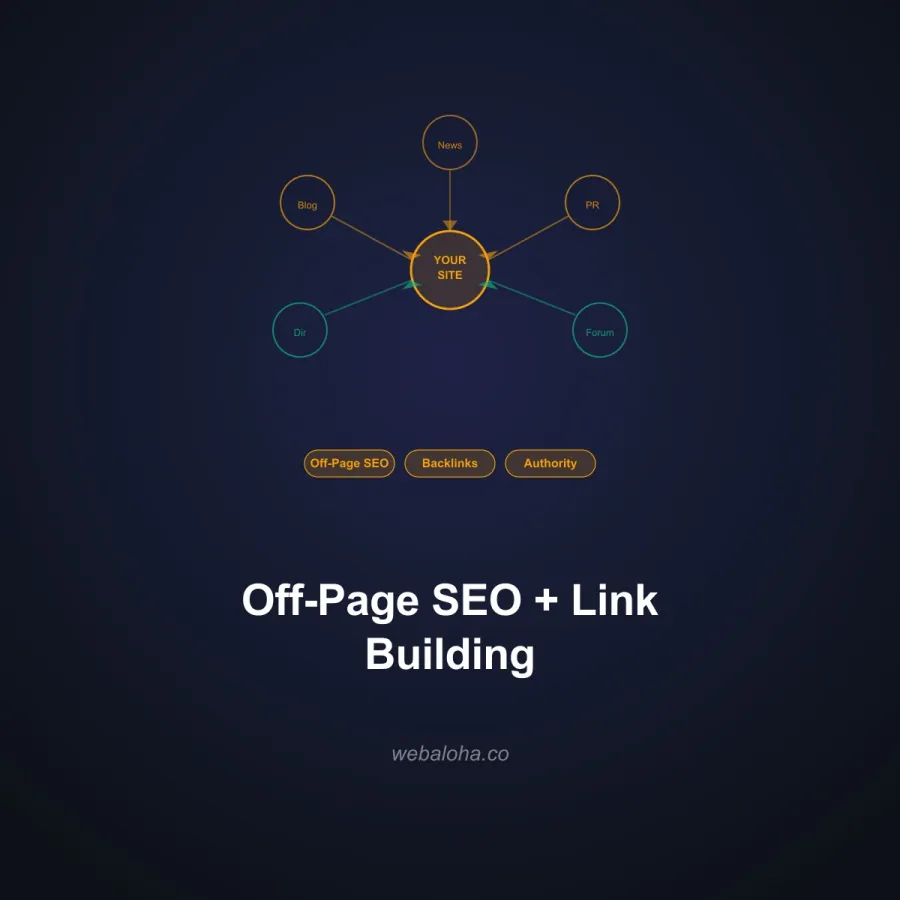
The full strategy for building links based on this data is covered in off-page SEO and link building strategies.
Step 4: Technical SEO Comparison
Technical SEO gives some competitors a structural advantage. Faster pages, better mobile experience, and cleaner architecture all influence rankings. A technical comparison surfaces where competitors have an edge and where you can catch or surpass them.
Key Technical Factors to Compare
| Technical Factor | Your Site | Competitor A | Competitor B | Priority Fix |
|---|---|---|---|---|
| LCP (Core Web Vitals) | 3.8s | 1.9s | 2.4s | High |
| Mobile Usability | Pass | Pass | Pass | None |
| Schema Markup | Basic | Article + Product | Article | Medium |
| HTTPS / Security | Yes | Yes | Yes | None |
| Internal Linking Depth | Shallow | Strong | Moderate | Medium |
For Core Web Vitals scores, use Google PageSpeed Insights and run the same URL for your site and each competitor. The Core Web Vitals guide explains what each metric means and how to fix common issues.
For a complete technical benchmark, the technical SEO audit guide walks through every factor worth comparing, from crawlability to structured data to site architecture.
Internal linking is often an overlooked advantage competitors have. If their content is tightly interlinked and yours is not, they pass more link equity around their site. The internal linking strategy guide covers how to fix this systematically.
Also compare how competitors handle title tags and meta descriptions. These on-page signals affect both rankings and click-through rates. The meta tags guide explains which meta elements still matter and what to check during a technical comparison.
Check whether a competitor publishes a useful sitemap; public inspection cannot confirm their Search Console submission, as a well-structured sitemap improves crawl coverage across the whole site. Read what is a sitemap to understand what to look for when auditing a competitor’s sitemap setup.
Step 5: SERP Feature Analysis
SERP features, including featured snippets, People Also Ask boxes, image packs, knowledge panels, and video carousels, consume significant screen space. A competitor capturing these features may be outperforming you in visibility even if you outrank them in traditional listings.
How to Audit SERP Features
For each of your target keywords, manually search in Google (incognito, logged out) and record which SERP features appear and which competitor is winning them.
Also check in Semrush or Ahrefs: their SERP feature columns show which features are present for any keyword and whether your competitors own them.
Patterns to look for:
- Featured snippets: Which competitor earns the snippet? What content format did they use (list, table, paragraph, numbered steps)?
- People Also Ask: Which related questions appear? Which competitors answer them?
- Image packs: Does your competitor’s optimized imagery appear? Check their image alt text, filenames, and surrounding context.
- Local pack: For local businesses, which competitors appear in the map pack and what do their profiles look like?
Winning a featured snippet often requires restructuring existing content to directly answer the query in a concise format. This is one of the highest-ROI quick wins in competitor analysis.
Step 6: AI Search Competitive Analysis
This is a new layer that most competitor analyses still ignore. AI-powered results (Google AI Overviews, Perplexity, ChatGPT search) are now citing specific sources, creating visibility opportunities and threats that bypass traditional rankings entirely.
Why It Matters Now
A competitor who ranks fourth in traditional results but is frequently cited in AI answers may be capturing more mindshare than your first-place position. Conversely, if you are cited and competitors are not, you have a significant trust advantage.
Run a documented prompt panel and record platform, mode, date, language, location, exact answer and source links. A competitor’s appearance gives you a page to study, not proof of the factor that caused selection. Compare answer usefulness and cited evidence, and repeat the observation before interpreting a change.
Our tested visibility tools study separates technical checks from sampled answers and tracking. Use the AI Search Visibility Checker for public readiness only.
For a broader understanding of how AI-driven search differs from traditional ranking signals, the AI search vs. traditional SEO guide covers the key differences and how to adapt your competitive strategy.
Step 7: Prioritize and Build Your Action Plan
Raw data from competitor analysis is useless without prioritization. You cannot fix everything at once. Use a scoring framework to rank opportunities by potential impact and effort required.
Opportunity Priority Scoring Matrix
| Opportunity | Traffic Potential | Effort Required | Time to Result | Priority Score |
|---|---|---|---|---|
| Low-KD keyword gap | Medium | Low | 4-8 weeks | 9/10 |
| Featured snippet optimization | High | Low | 2-6 weeks | 9/10 |
| Backlink gap outreach | High (authority) | Medium | 8-16 weeks | 7/10 |
| Core Web Vitals fix | Medium | Medium | 4-12 weeks | 7/10 |
| High-KD content topic | Very High | High | 6-12 months | 5/10 |
The 90-Day Action Plan Template
Month 1: Quick wins and foundations
- Publish content targeting 3-5 low-competition keyword gaps
- Restructure 2-3 existing pages to capture featured snippets
- Submit a backlink outreach sequence to 10 gap domains
Month 2: Content depth and authority
- Publish a comprehensive guide on the highest-traffic content gap
- Complete Core Web Vitals fixes identified in technical comparison
- Build internal linking to newly published and existing pages
Month 3: Link building and monitoring
- Follow up on outreach, begin second round targeting new gap domains
- Review rankings for all new content and adjust as needed
- Set up ongoing competitor monitoring (see below)
For realistic expectations on timeline, the how long does SEO take article explains typical ranking timelines by keyword difficulty and domain authority.
The Full 7-Step Process at a Glance
| Step | Task | Primary Tool | Output |
|---|---|---|---|
| 1 | Identify SEO competitors | Ahrefs / Semrush / Google | List of 3-5 competitors |
| 2 | Keyword gap analysis | Semrush Keyword Gap / Ahrefs Content Gap | Prioritized keyword list |
| 3 | Content gap analysis | Ahrefs Top Pages / manual review | Content calendar topics |
| 4 | Backlink gap analysis | Ahrefs Link Intersect / Semrush Backlink Gap | Outreach target list |
| 5 | Technical comparison | PageSpeed Insights / Screaming Frog | Technical fix list |
| 6 | SERP feature audit | Manual / Semrush SERP features | Snippet optimization targets |
| 7 | Prioritize and act | Scoring matrix (above) | 90-day action plan |
Tools for SEO Competitor Analysis
You do not need to spend thousands per month on tools, especially when starting out. Here is an honest breakdown:
Free and Low-Cost Options
Google Search Console: Shows your own rankings and click data. Essential for understanding your baseline before comparing to competitors. The Google Search Console guide covers setup and how to extract maximum insight.
Google PageSpeed Insights: Run competitor URLs here to benchmark Core Web Vitals side by side.
Web Aloha free tools: The Keyword Extractor and AI Search Visibility Checker support quick competitor analysis without a subscription.
Ubersuggest: Limited free tier covering basic keyword and competitor data.
Paid Tools Worth Considering
Ahrefs: Backlink and content-gap research; traffic estimates are modeled, not a competitor’s analytics. Check the provider’s current plans for limits and pricing.
Semrush: Keyword-gap and competitor research; check current plans and included limits.
Moz Pro: Link metrics and on-page research; its authority metric is a vendor model, not Google’s score. Check current plans.
Screaming Frog (free up to 500 URLs): Best crawler for technical audits. Run it on competitor sites to analyze their internal linking and site structure.
If you are a small business weighing the investment, is SEO worth it for small businesses? and the broader SEO for small businesses guide frame the costs and returns clearly.
Ongoing Monitoring: Keeping Your Edge
Competitor analysis is not a once-a-year task. Rankings shift constantly. Competitors publish new content, earn new links, and change their strategy. Build monitoring into your regular workflow.
What to Monitor Regularly
Weekly:
- Rankings for your top 20 keywords (use a rank tracker or Search Console)
- Google Alerts for competitor brand names (new press, partnerships, product launches)
Monthly:
- New pages published by top competitors (Ahrefs Alerts: New pages from competitor domain)
- New backlinks competitors have earned (Ahrefs Alerts: New backlinks to competitor domain)
Quarterly:
- Full keyword gap refresh (new gaps emerge as competitors publish more content)
- Updated technical comparison (competitor speeds and Core Web Vitals change)
- SERP feature audit for your core keyword set
When a competitor suddenly gains significant new traffic or rankings, investigate promptly. They may have published a piece of content or earned a link that signals a strategic shift. Catching it early lets you respond rather than chase.
When to Bring in Professional Help
Competitor analysis at scale, especially for competitive industries with dozens of rivals and thousands of keywords, requires significant time, tooling, and interpretation expertise.
If the analysis reveals a significant content or authority gap that would take many months to close, or if your site has technical issues that require developer involvement, working with an SEO agency accelerates results substantially. The Web Aloha SEO services page covers how we approach competitive landscapes for clients across different markets.
The contact page is the fastest way to discuss your specific competitive situation and get a realistic assessment of what it would take to outrank the sites currently above you.
Worked comparison: three different observations
This is an illustrative decision example, not a measured competitor study.
| Observation | Defensible conclusion | Next step |
|---|---|---|
| Your service page gets relevant impressions but few clicks | It is visible for the sampled query; the cause of low CTR is unknown | Segment query, country and device in the GSC Opportunity Analyzer and inspect the result |
| A competitor explains the required documents and your page does not | There is a useful content gap for customers | Add an accurate checklist with your own process evidence |
| A competitor has more backlinks | A third-party index found more links in its dataset | Review relevant referring pages; do not infer the ranking difference is caused by count alone |
The decision is to improve a documented customer answer and monitor comparable data. It is not to copy the competitor’s word count or promise their ranking.
Frequently asked questions
What is SEO competitor analysis?
SEO competitor analysis is the process of researching the websites that rank above you for your target keywords, then studying their content, backlinks, and technical setup to find opportunities you can exploit. The goal is to understand what is working for competitors so you can build a strategy to outrank them.
Are my SEO competitors the same as my business competitors?
Not always. Your SEO competitors are the websites that rank for your target keywords, regardless of whether they sell the same product or service. A large industry blog, a directory site, or an affiliate publisher could be your toughest SEO competitor without being a business rival at all.
How do I find my SEO competitors?
Search your top 5 to 10 target keywords in Google and note which domains appear consistently across the results pages. Tools like Ahrefs, Semrush, and Moz also have 'organic competitors' reports that show which sites have the most keyword overlap with yours. Start with three to five competitors for your initial analysis.
What is keyword gap analysis?
Keyword gap analysis identifies keywords your competitors rank for that your site does not. These gaps represent traffic you are missing. You then prioritize those keywords by search volume, difficulty, and business relevance to build a content plan that closes the gap.
What is a backlink gap analysis?
Backlink gap analysis compares your link profile against competitors to find authoritative domains that link to them but not to you. These sites are proven to link to content in your niche, making them strong outreach targets for your own link-building campaigns.
How do I find content gaps compared to competitors?
Review your competitors' top pages by organic traffic using Ahrefs Site Explorer or Semrush Organic Research. Look for topics, question-based articles, or content formats they publish that you have not covered. Each missing topic is an opportunity to capture traffic and build topical authority.
Which free tools can I use for SEO competitor analysis?
Google Search Console shows your own ranking data for comparison. Google's search results reveal competitor SERP features manually. Ubersuggest offers a limited free tier. Our free Keyword Extractor, Website Technology Checker, and Keyword Density Analyzer at Web Aloha can also support your research without a paid subscription.
How often should I run a competitor analysis?
A full SEO competitor analysis should be done every three to six months. Additionally, set up Google Alerts and monitoring for major competitor domain changes or new high-ranking pages. Markets shift, new competitors emerge, and search algorithms update, so regular reviews keep your strategy current.
How does AI search change competitor analysis?
AI-powered search results like Google AI Overviews and Perplexity now cite specific sources, creating a new competitive layer. Beyond ranking in the ten blue links, you now need to analyze which competitors are being cited in AI answers for your target queries. Sites with strong E-E-A-T signals, structured content, and authoritative backlinks tend to win AI citations.
How long does it take to outrank a competitor after analysis?
It depends on your domain authority, the competitiveness of the keywords, and how aggressively you act on your findings. Low-competition keyword gaps can yield results in weeks. Outranking strong competitors on high-difficulty terms typically takes six to twelve months of consistent content creation and link building.