
Lucky Oleg
Founder at Web Aloha
Lucky Oleg has 8+ years' experience in web design, SEO, and digital marketing. Before founding Web Aloha, he worked as a freelancer with businesses across 8 countries.
He has international experience working with established B2B and B2C brands across a wide range of industries. Over the years, he has built 90+ websites and delivered SEO services for clients in multiple markets.
In 2026, Lucky Oleg works extensively with AI tools and Generative Engine Optimization (GEO), helping businesses stay visible in AI-powered search results.
Every article written by Lucky Oleg is informed by hands-on work building and maintaining WordPress websites, solving actual technical problems, and testing what works in practice.

Articles by Lucky Oleg
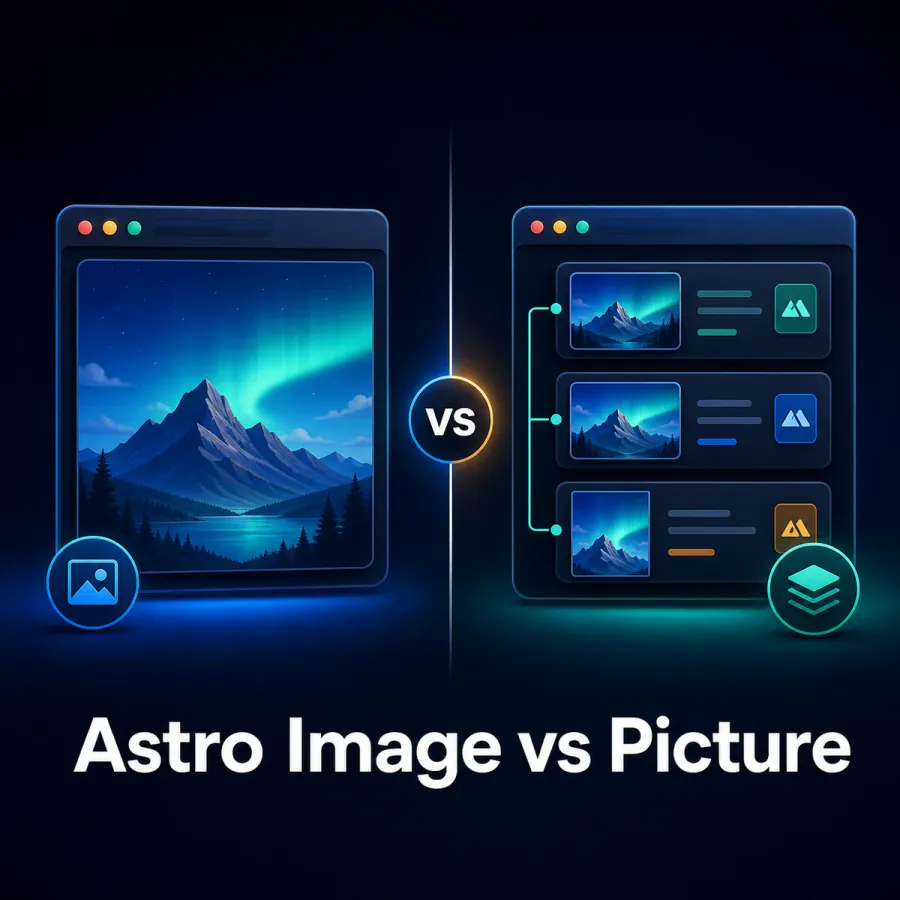
Astro Image vs Picture: Data From 25 Real Projects

How to Choose Fonts for Your Website in 2026
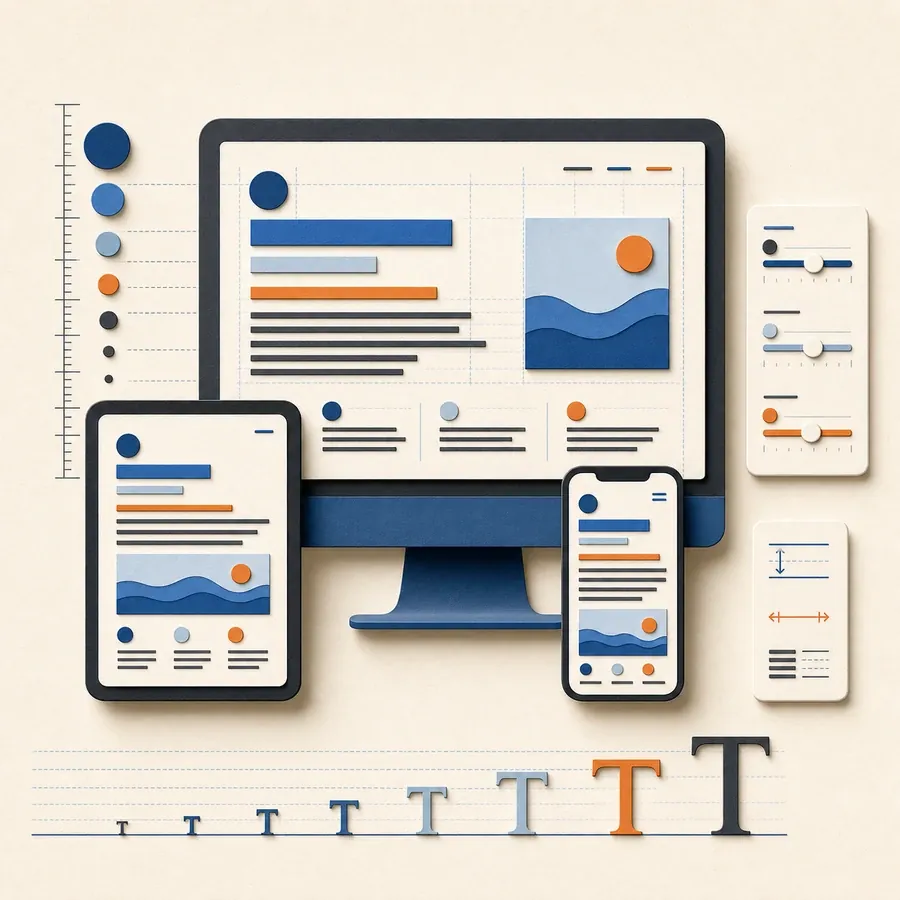
Website Typography Guide: Font Sizes, Hierarchy & Best Practices
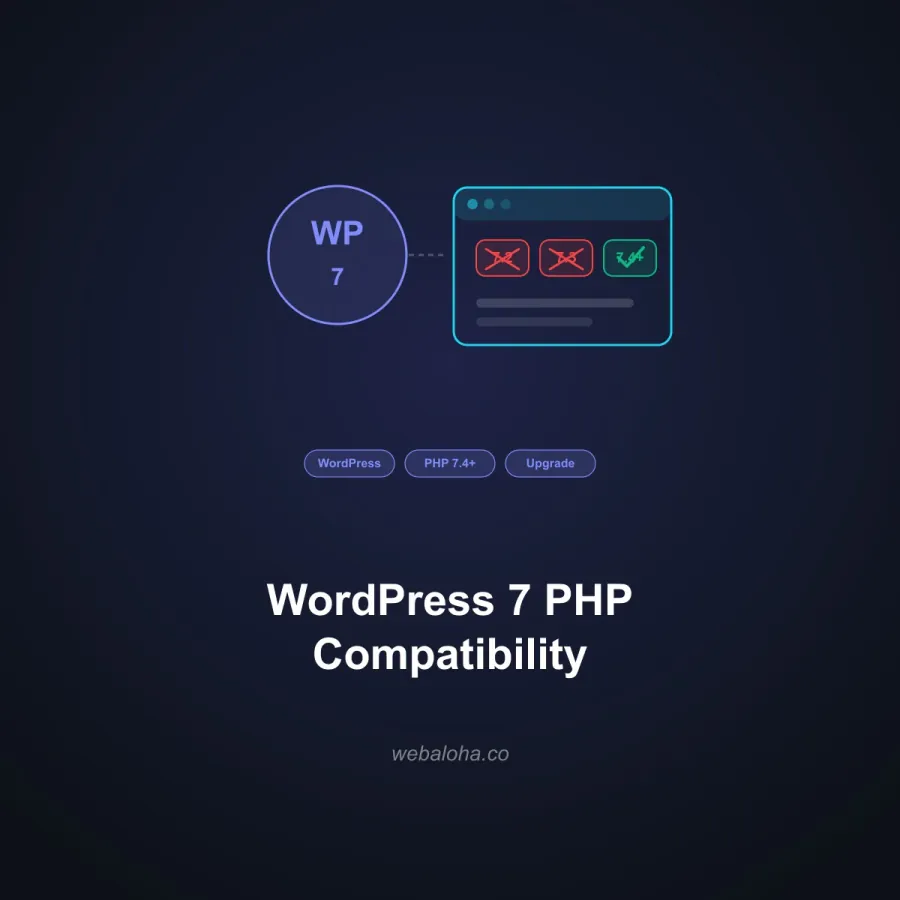
WordPress 7.0 PHP Requirements and Compatibility
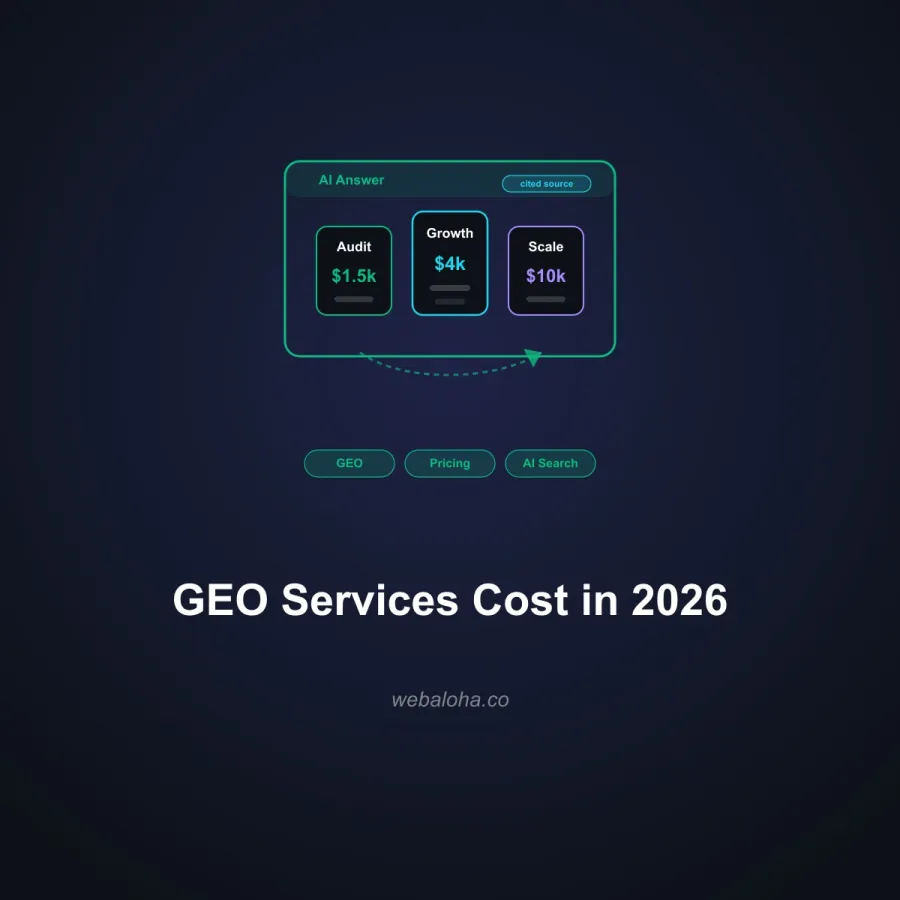
GEO Services Pricing: How to Compare Scope, Evidence, and Cost
Google's Mobile-Friendly Test Is Gone: What to Use Instead
Duplicate Content SEO: What It Is and How to Fix It
Heading Tags (H1–H6): Complete SEO Guide for 2026
Open Graph Tags: The Complete 2026 Guide
Title Tag SEO Guide: How to Rank and Get Clicks

E-E-A-T: What It Is and How to Prove Expertise to Google
Google Search Console Guide for Business Owners
Off-Page SEO: Link Building Strategies That Still Work in 2026
How to Write Content That Ranks: SEO Copywriting Guide
SEO for Small Businesses: A Beginner's Guide
AI Search vs Traditional SEO: What's Different in 2026
Astro vs Next.js for Business Websites: A Workload-Based Choice
Benefits of Static Websites: Speed, Security, and SEO in 2026
Brand Mentions, Entity SEO, and Off-Page GEO: What You Need to Know
Custom Website vs Template: Which Is Right for Your Business?
How Long Does SEO Take to Work? (Honest Timeline)

How to Choose a Web Designer or Agency in 2026
How to Do Keyword Research (Without Expensive Tools)
How to Measure GEO and AI Search Visibility

How to Optimize Your Content for AI Citations
Image SEO: Alt Text, File Names, Compression, and More
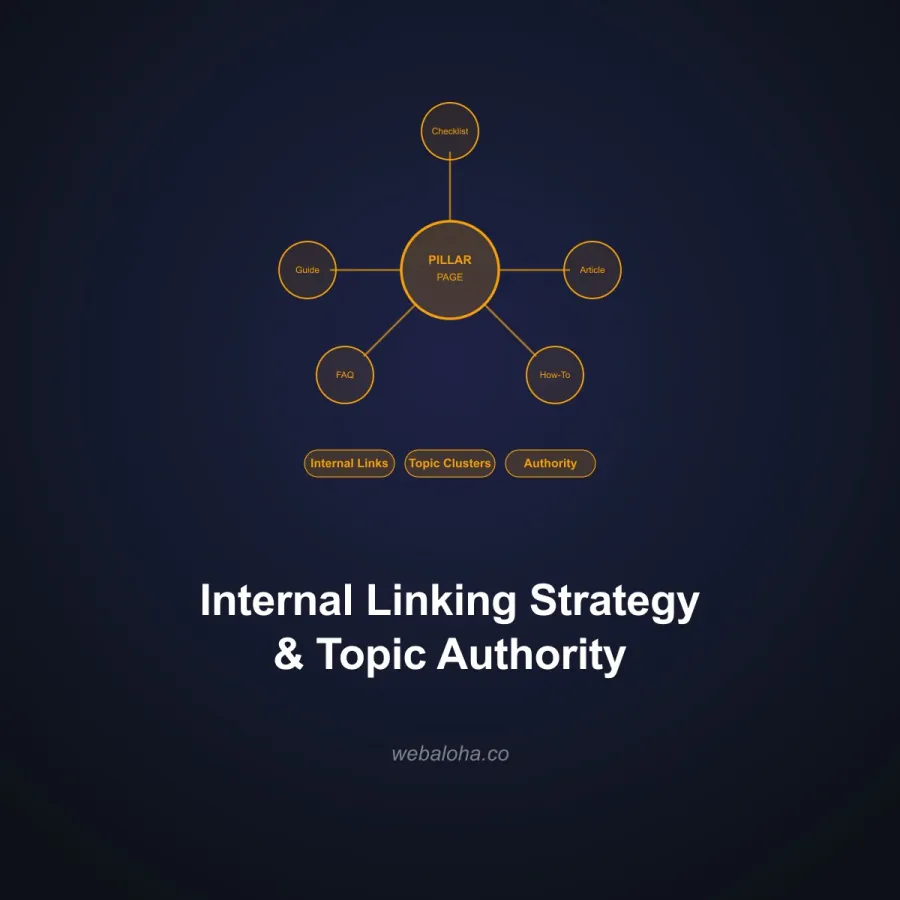
Internal Linking Strategy: How to Build Topic Authority
Is Astro Right for Your Business? A Decision Guide
llms.txt: The Complete, Evidence-Aware Guide
GEO for Local Businesses: How to Show Up in AI Search Locally
Meta Tags That Actually Matter for SEO in 2026
On-Page SEO Checklist for 2026
Responsive Web Design: Why Mobile-First Isn't Optional in 2026
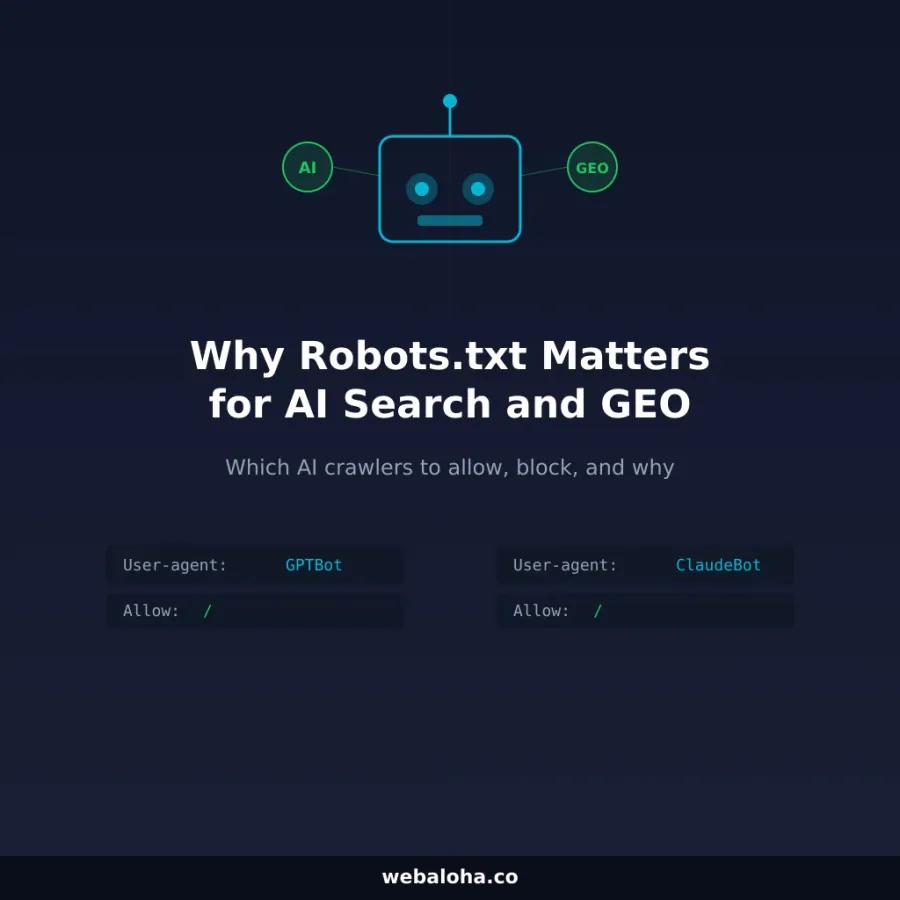
Robots.txt for AI Search: Crawler Controls Without the Hype
Static vs Dynamic Websites: Differences and Which to Choose
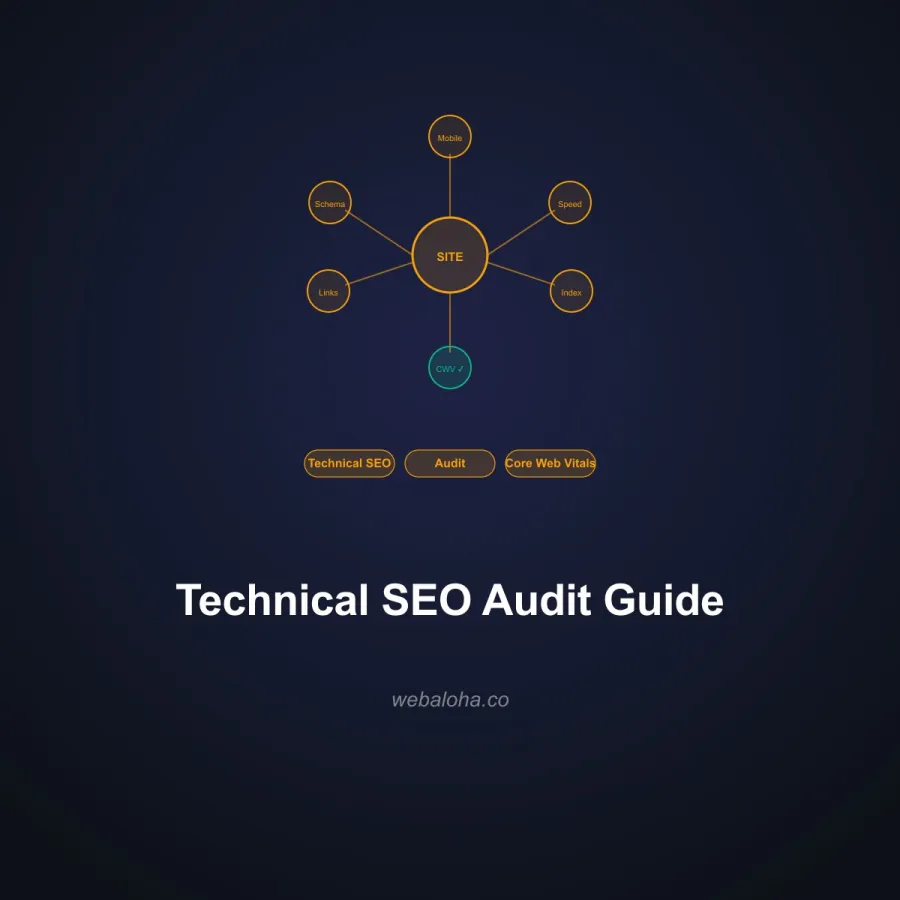
Technical SEO Audit: What to Check and How to Fix It

The Web Design Process: What to Expect When You Hire a Professional
Web Design Trends That Actually Matter in 2026
What Is Astro? A Plain-English Guide for Business Owners
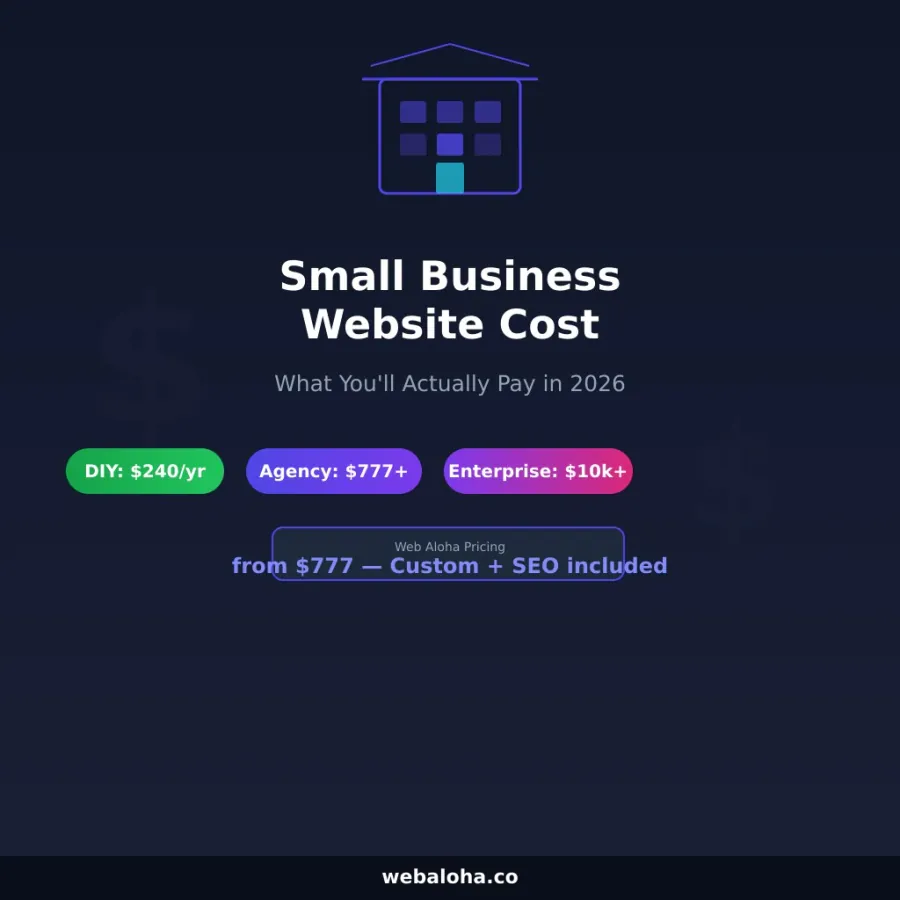
Small Business Website Cost in 2026: What You'll Actually Pay

Website Speed Optimization Pricing: How Much It Costs in 2026?
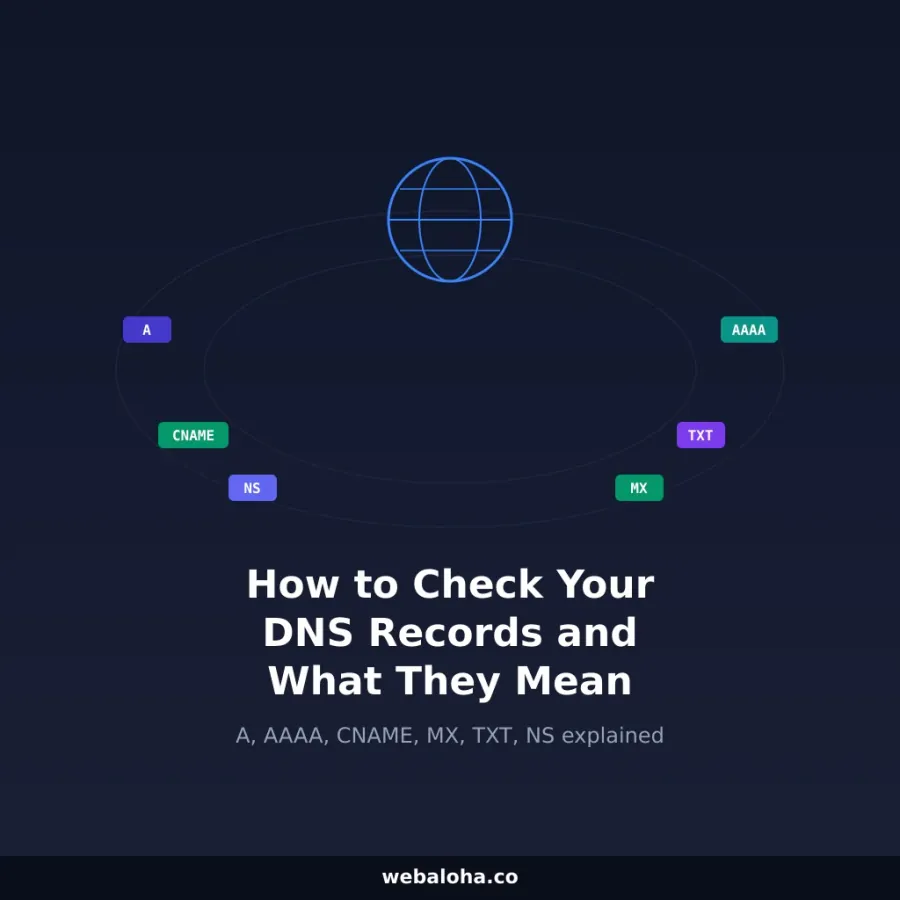
How to Check Your Website's DNS Records and What They Mean
How to Check and Test Your Robots.txt File: The Complete Guide
How to Test and Validate Schema Markup: A Complete Guide
Schema Markup and AI Citations: What the Evidence Supports
What Is Schema Markup and Why It Matters for SEO
WordPress vs Astro: Which Is Better for Business in 2026?

Generative Engine Optimization (GEO): Complete 2026 Guide
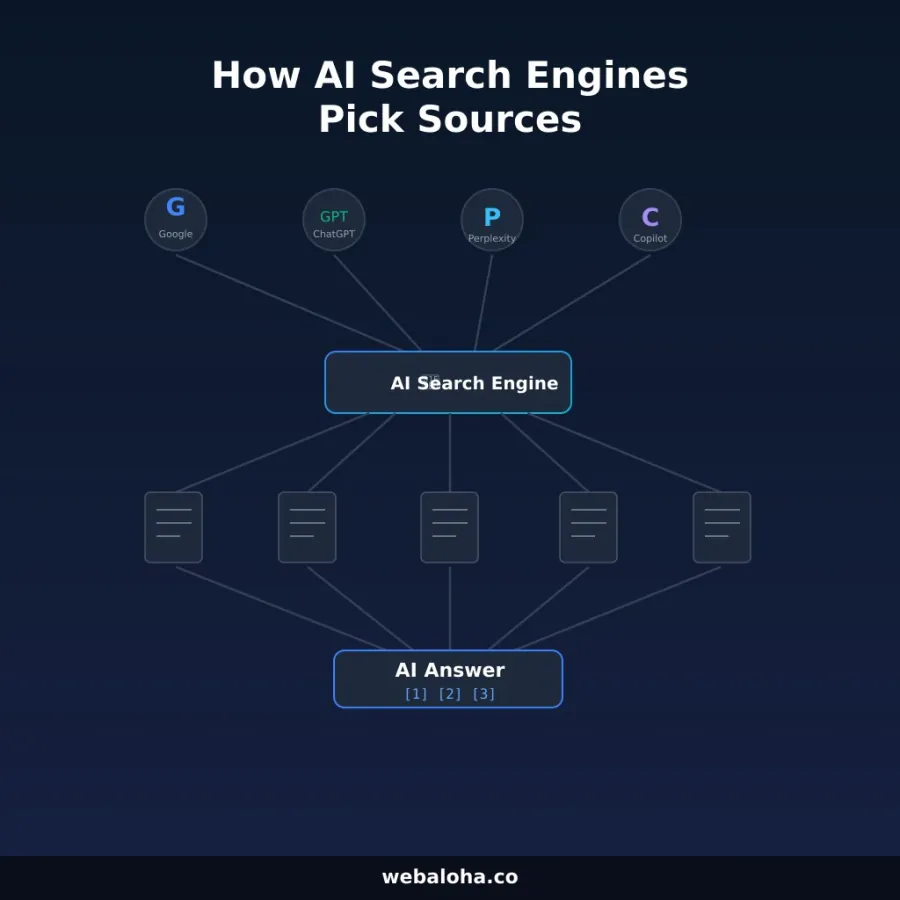
How AI Search Engines Pick Sources: AI Platforms Compared

Benefits of Having a Website for Your Business in 2026
PHP Extensions for WordPress: What Extensions to Enable?
WordPress and PHP 8.4 Compatibility: Supported Versions and Testing
Elementor and PHP Compatibility: Requirements and a Safe Test Plan

Recommended PHP Version for WordPress (2026): 8.3, 8.4 or 8.5?
WordPress and PHP 8.5 Compatibility: Official Support and Safe Testing
Canonical Tags Explained: How to Avoid Duplicate Content Issues
Core Web Vitals: What They Are and How to Fix Them

Is SEO Worth It for Small Businesses? A Break-Even Framework
SEO Competitor Analysis: How to Study and Outrank Your Competition
What Is a Sitemap and Why Your Website Needs One